September 12, 2026
In increasingly unpredictable weather patterns, professional tree service plays a crucial role in mitigating the risk of power outages. This article aims to explore the importance of tree maintenance in safeguarding communities from the adverse effects of severe weather conditions. By maintaining tree health, removing hazards, and ensuring proper infrastructure protection, arborists are key players in enhancing community resilience to weather-related disruptions. Understanding these processes helps homeowners protect their property and maintain continuous grid reliability during storms.
Understanding the Role of Trees in Weather Outages
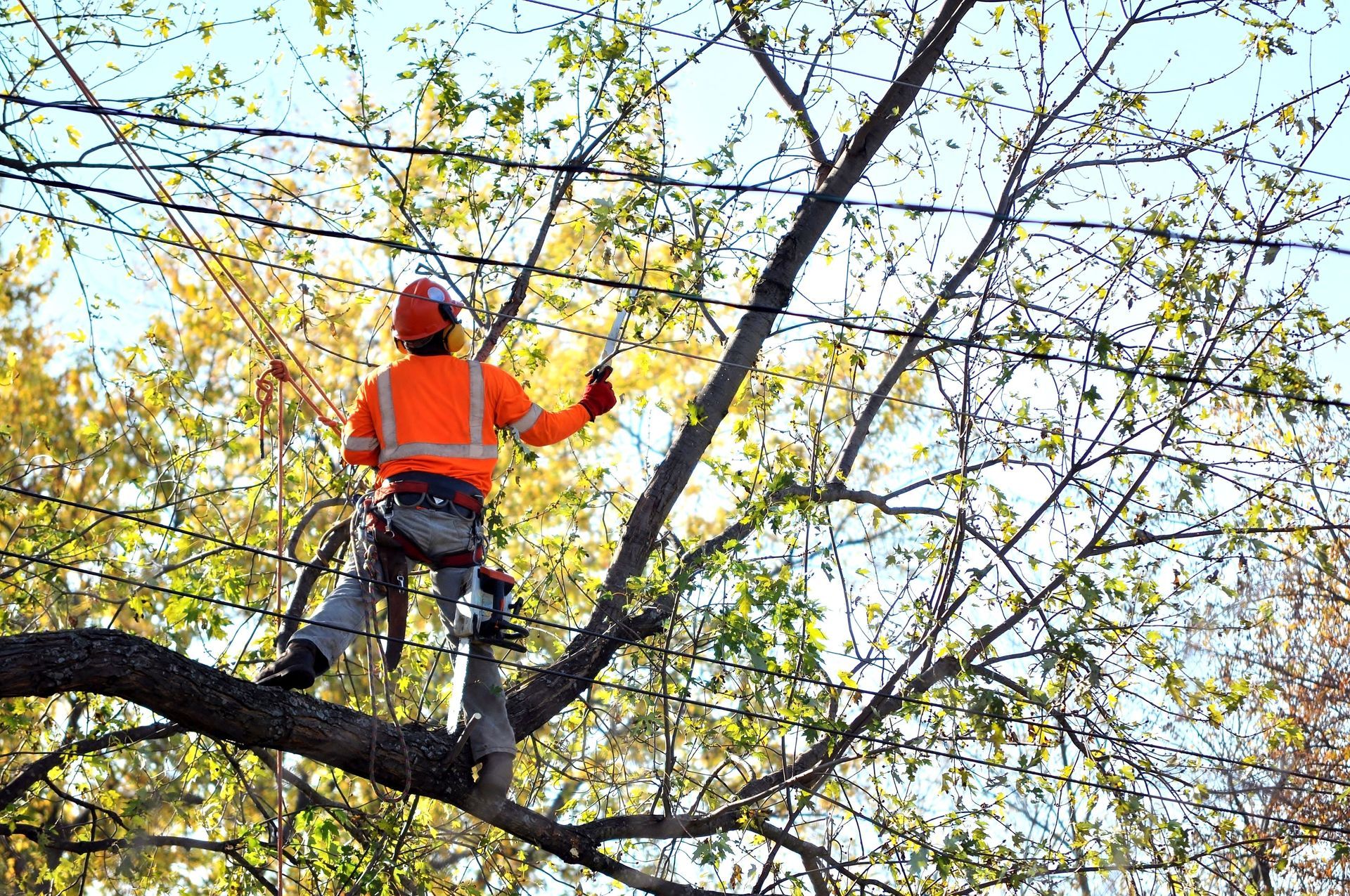
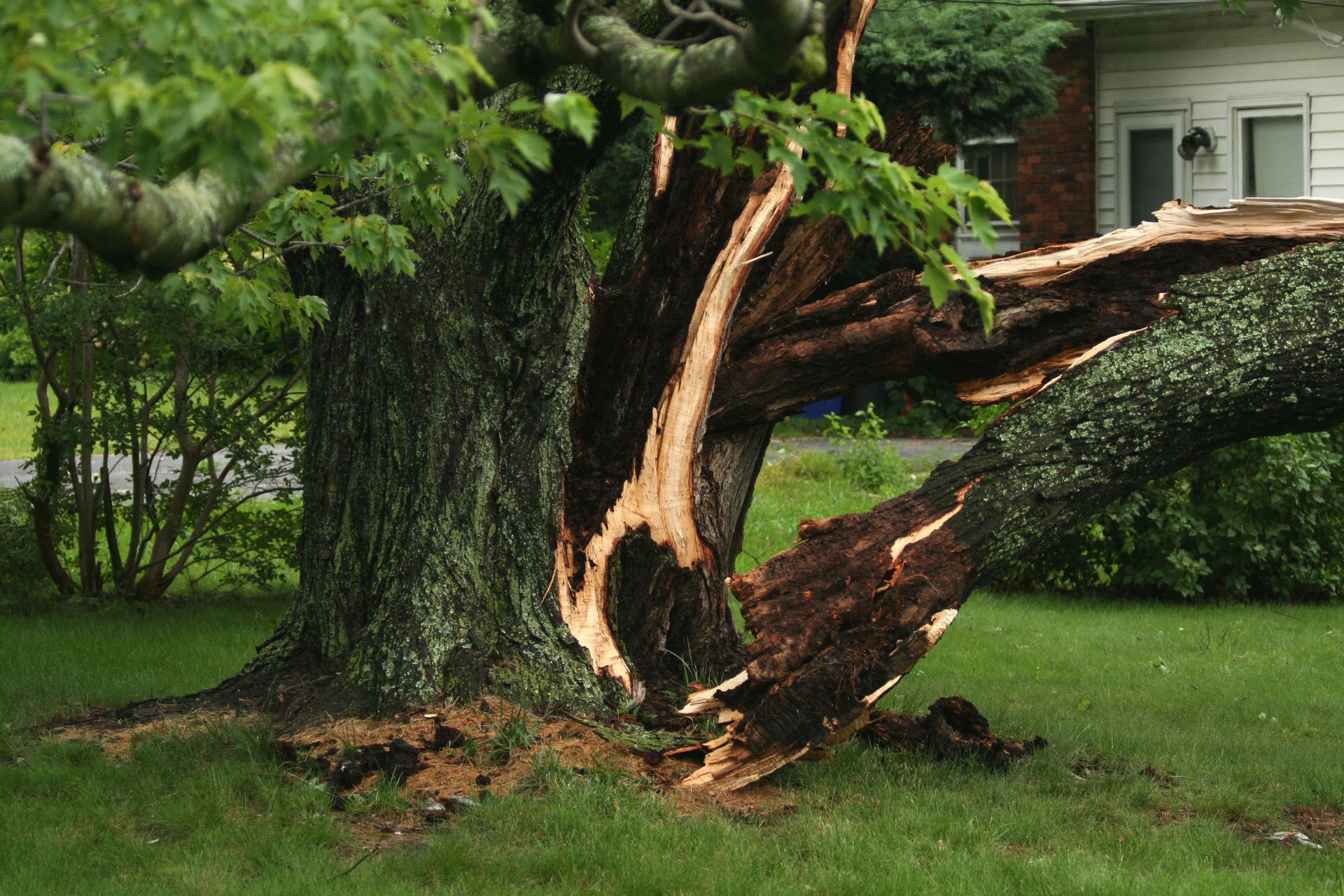
Fallen branches are often one of the earliest and most obvious signs that storm winds are causing electrical infrastructure damage. Canopy damage typically presents as broken limbs hanging across power lines, with heavy trunks causing severe utility pole collapses. Fresh breaks tend to expose raw wood, while decay appears minor until high winds stress weakened limbs. Overgrowth is frequently found in mature residential neighborhoods where power distribution wires run directly through dense foliage. According to Climate Central, weather events caused 80% of major power outages in the U.S. between 2000 and 2023, underscoring the massive impact of storm-driven disruptions. Ignoring hazardous branches poses serious financial risks, carrying repair costs and extended blackout periods that escalate rapidly during severe weather. Delaying routine clearance leads to downed conductors, structural property damage, and compromised public safety, making prompt action necessary. Seeking professional property evaluations is recommended to minimize utility risks while thoroughly protecting local electrical connections. Large amounts of canopy decay indicate significant structural issues that require dedicated attention. When hazardous limbs threaten utility lines, professional tree service is required to ensure thorough clearance and ongoing grid safety.
Preventive Pruning and Trimming Techniques
Utility line clearance is generally handled under specialized vegetation management procedures, which address non-mechanical environmental hazards surrounding electrical grids. Common signs of dangerous line proximity include overgrown lateral branches, dense upper canopies, and dying leader stems. Hearing heavy limbs rub against utility lines during high winds adds to the suspicion of active grid hazards. Tracking down the full extent of canopy encroachment can be challenging, but inspecting trees from multiple ground angles helps pinpoint every vulnerable branch. Inspecting primary distribution lines, service drops, and transformers often reveals physical evidence of ongoing vegetation interference. The unpredictable nature of seasonal storms means trees growing near power lines face constant structural stress during volatile weather. Distinguishing between routine foliage contact and structural branch loading is key to managing line clearance accurately. Light leaf contact causes minor friction, whereas heavy structural limbs can snap lines during ice storms. Mitigating further utility damage requires scheduling regular directional pruning to guide growth away from live conductors. Combining preventive care with professional tree service offers a comprehensive solution to restore grid security and tree health over time.
Tree Removal and Risk Mitigation
One of the more damaging aspects of severe weather is the presence of unexpected tree uprooting across primary power corridors. Storm winds exert immense pressure on root systems, necessitating complete tree removal to eliminate structural hazards without causing secondary utility damage. Root instability appears as soil heaving, trunk leaning, and cracked ground anchor points, typically featuring subtle, hard-to-detect root shear. Structural instability is most frequently observed in saturated soil conditions where high wind gusts strain tall canopies. Severely decaying trunks, hollow cores, and compromised root zones often show signs of this destructive storm susceptibility. Unaddressed structural tree decay poses several serious risks, such as crushing transformer pads and triggering widespread electrical blackouts. Hazardous trees are particularly problematic, leading to extended repair delays and potential fire risks during dry storm conditions. To address this risk, dead or severely leaning trees near utility corridors should be evaluated immediately by certified arborists, and unstable trunks removed safely. Severe decay near high-voltage infrastructure requires professional removal alongside targeted tree service operations. When structural trunk integrity or root anchorage is compromised, immediate expert evaluation and removal are vital to maintain continuous electrical service.
Innovative Approaches in Tree Service
Modern vegetation managers frequently evaluate hazardous canopies using advanced diagnostic technology to establish accurate mitigation plans for communities. Technicians look for internal trunk decay, weak branch attachments, and soil compaction to document total tree failure risk. Recognizing the presence of these structural issues, especially when widespread across utility corridors, indicates complex removal requirements. Work is commonly performed by specialized crews utilizing aerial lifts, crane-assisted dismantling tools, and computerized resistance drill equipment. Inspecting internal wood density, crown density, and root plate stability can uncover hidden structural defects before storm season arrives. A single severe windstorm can down multiple decaying trees, creating significant repair demands for regional utility providers. Promptly addressing weak trunks by scheduling professional hazard removals helps maintain overall electrical grid reliability and community safety. Completing tree risk assessments must be done carefully using standardized evaluation metrics, including clear diagnostic reports of all load-bearing structural joints. Documenting internal decay before applying heavy rigging load reduces the risk of dangerous structural collapses during removal operations. Utilizing modern rigging systems, working with certified arborists, and applying a comprehensive tree service strategy form a robust defense against storm-driven power disruptions.
Collaboration with Utilities and Local Governments
Proactive vegetation management produces precise hazard reduction throughout municipal power grids that fail without expert technical intervention. The cost of neglect is often substantial, stemming from emergency repair crews, overtime labor costs, and commercial downtime during blackouts. Identifying hazardous trees early is a significant factor in preserving long-term power grid stability, especially before severe winter storms or hurricane seasons. Finding the full extent of utility line hazards requires checking areas where growth is less obvious, including rear-lot easements and wooded rights-of-way. Attention must also be paid to subtle environmental factors like soil erosion around root systems and fungal bracket growth on trunks. Structural issues associated with hidden trunk rot pose long-term risks due to sudden mechanical failure during moderate wind events. Allowing hazardous trees to overhang high-voltage lines can lead to cascading power failures or exacerbate fire risks across large distribution networks. Effective methods to eliminate utility hazards include directional pruning and applying precision drop-crotching techniques to redirect growth away from power lines. Engaging certified specialists ensures thorough hazard removal and complete elimination of structural risks threatening utility lines. Regular canopy care maintains power continuity and keeps communities safe from dangerous electrical disruptions.
Evaluating the Economic Impact of Tree Service
Property owners and municipal leaders often possess keen instincts that indicate when overgrown trees threaten local utility infrastructure long before power failures occur. Community members pay close attention to sagging power lines and scraping branches that lead them directly to assess storm-resistant tree conditions. Observing canopy movement during light wind events offers early warning signs of necessary hazard intervention. Residents may notice sparking wires, flickering interior lights, or cracked leader limbs, while observing heavy branch weight resting on service lines. Disruption to steady electrical voltage is frequently a direct response to minor branch contacts or hidden line friction. Homeowners show heightened concern near main utility poles, transformer banks, and service drops where falling branches cause immediate power loss. Understanding these environmental cues allows property owners to respond promptly to dangerous tree growth. If wind storms consistently cause localized power flickering or branch drops, a thorough professional hazard assessment is advisable. Taking action based on thorough diagnostic checks provides a proactive approach to community safety. Combining homeowner observations with professional tree service helps restore line clearance and eliminates blackout hazards before major storm events occur.
A clear understanding of what to expect during utility clearance and hazard mitigation can significantly enhance your experience as a property owner. Being well-informed allows you to engage knowledgeably with certified arborists from start to finish, ensuring all proposed pruning and removal options fit your safety needs and financial plans without unexpected surprises. Such thorough preparation enables you to make the best long-term decisions for your landscape, leveraging expert technical insights and diagnostic tree evaluations to achieve optimal property safety. Furthermore, taking a proactive stance on canopy care helps protect your home from sudden tree failure, costly utility line damage, and extended power outages. Regular inspections, prompt hazard pruning, and scheduled maintenance keep your trees healthy while preserving electrical grid reliability for many years to come. To permanently resolve hazardous tree growth, protect your property against storm-driven power failures, and extend the life of your landscape, rely on the comprehensive tree service options provided by Certified Tree Care.