October 5, 2026
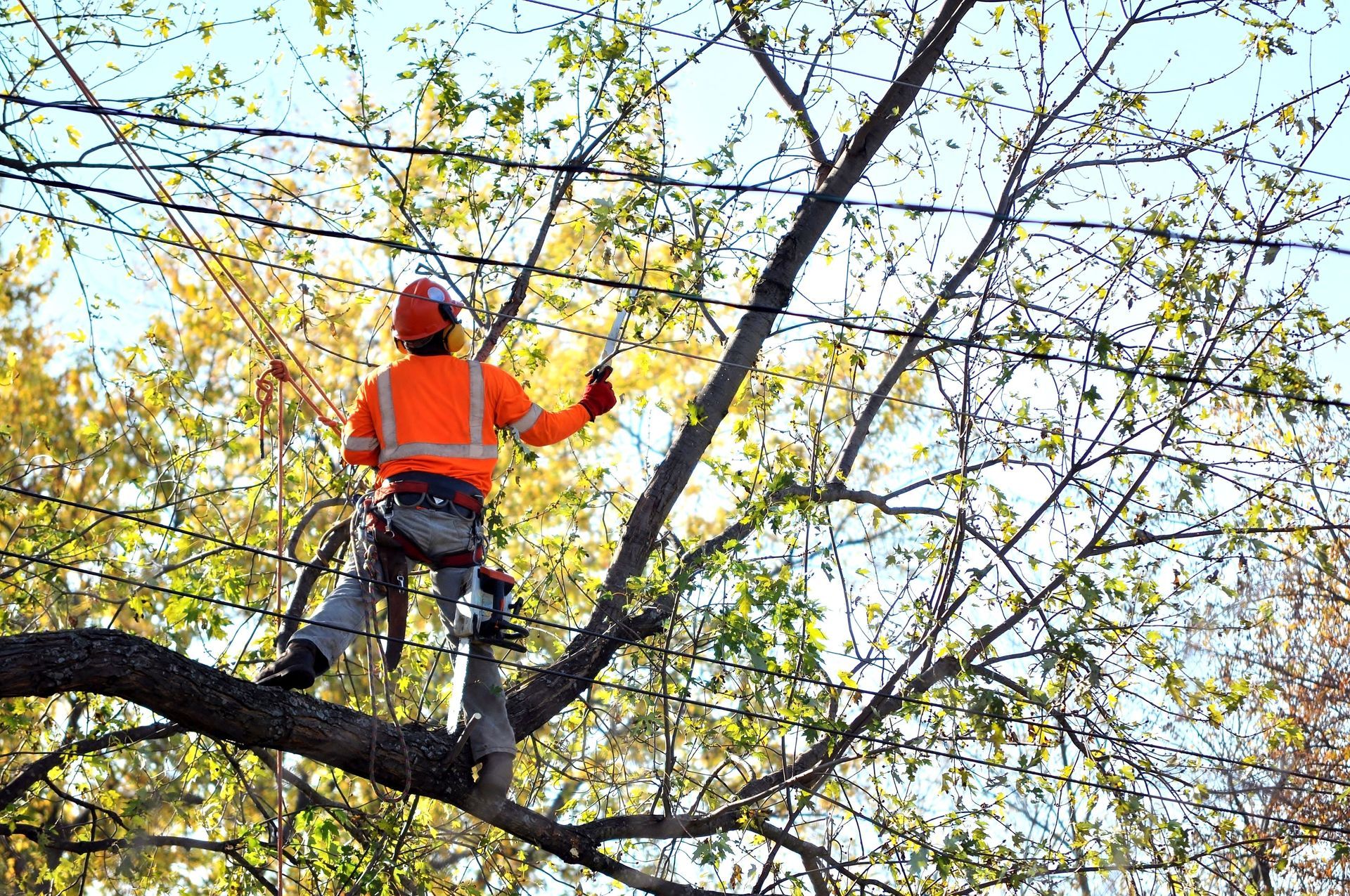
Reliable electricity depends on more than power plants, substations, and transmission equipment. Trees growing near electrical lines can also influence how dependable local service remains during storms, high winds, and other severe weather. Branches that extend toward utility infrastructure may create additional risks when they break, shift, or fall. A professional tree trimming service can help manage vegetation before those conditions become more disruptive, supporting safer clearances around important electrical equipment.
According to Climate Central, a major power outage is an event affecting at least 50,000 customers or interrupting 300 megawatts or more of electrical service. While outages can have many causes, vegetation management remains an important consideration wherever trees grow near utility infrastructure. Proactive tree care can help reduce avoidable contact between branches and power lines, improve visibility around equipment, and address weakened limbs before severe weather arrives. Understanding these benefits shows why professional trimming can play a meaningful role in protecting local power reliability.
Reducing Contact With Electrical Lines
Limiting Overhanging Branches
Branches growing above power lines can become a concern when wind, rain, ice, or natural limb failure causes them to drop. Even healthy branches may shift significantly during severe weather. Maintaining appropriate clearance helps reduce the likelihood that overhanging growth will interfere with electrical infrastructure.
Limiting Side Growth
Trees do not always grow directly above utility lines. Lateral branches can gradually extend toward electrical equipment and become increasingly close over time. A tree trimming service can evaluate how current growth patterns may affect nearby lines and determine where professional attention is appropriate.
Limiting Future Encroachment
Vegetation management is not only about branches that are already touching equipment. Professionals can also identify growth that is likely to create conflicts in the future. Addressing those areas before direct contact occurs can support more consistent clearance and reduce emergency situations.
Limiting Interference Around Equipment
Utility infrastructure can include transformers, service lines, poles, and other components that require appropriate surrounding space. Managing nearby vegetation can help maintain access and visibility while reducing the amount of tree growth that could interfere with equipment during storms or routine operations.
Reducing Storm-Related Tree Risks
Addressing Weak Limbs
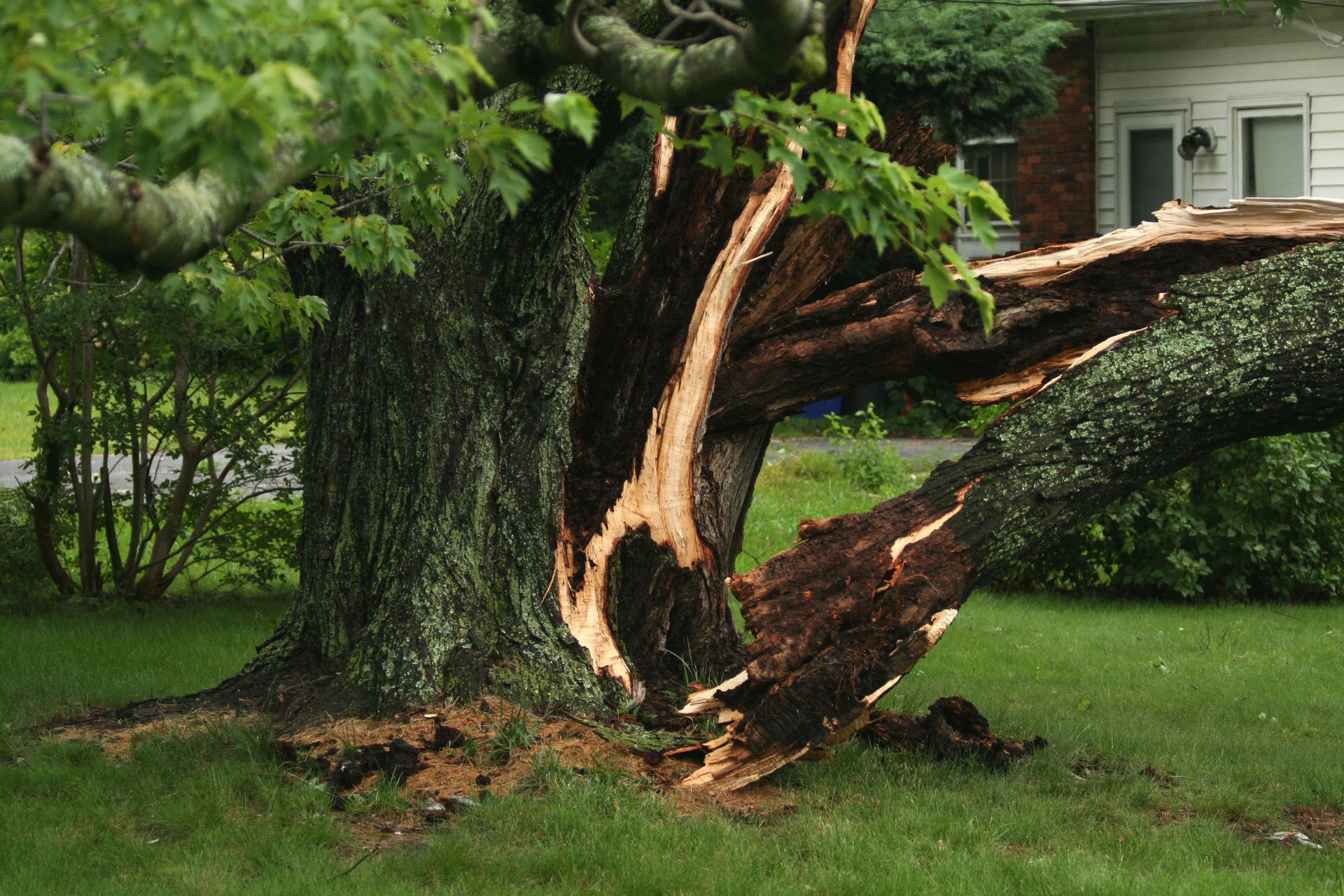
Damaged, decayed, or structurally weak branches may be more likely to fail during strong winds or heavy precipitation. When those limbs are located near electrical lines, failure can create broader consequences. Professional evaluation allows potentially hazardous growth to be identified before severe weather places additional stress on the tree.
Addressing Dense Canopies
Very dense canopies can catch significant wind during storms, increasing movement throughout the crown. Appropriate professional trimming may help manage excessive or problematic growth while preserving the tree's overall structure. A qualified tree trimming service can assess each tree individually rather than applying the same approach to every canopy.
Addressing Storm Damage
After severe weather, broken or hanging limbs can remain suspended in trees even when they have not yet fallen. These damaged branches may create ongoing concerns near utility lines. Prompt professional assessment can determine whether affected limbs require removal or other corrective care.
Addressing Weather Exposure
Trees growing in open or exposed areas may experience stronger winds than those protected by nearby structures or vegetation. Understanding that exposure helps professionals evaluate which limbs may be subjected to greater forces during storms and whether nearby power infrastructure increases the significance of those risks.
Supporting Safer Utility Corridors
Maintaining Clear Working Areas
Utility crews may need access to poles, lines, and related equipment for inspections, repairs, or emergency response. Excessive vegetation can make access more difficult. Professional trimming can help preserve clearer areas around infrastructure without requiring the complete removal of healthy trees.
Maintaining Better Visibility
Dense branches and foliage can obscure equipment, damaged lines, or other developing concerns. Improved visibility around utility corridors can make it easier for professionals to observe conditions and respond appropriately. A tree trimming service can help manage growth while considering both tree health and nearby infrastructure.
Maintaining Practical Clearances
The appropriate distance between vegetation and electrical equipment can depend on the location, line type, tree species, and surrounding conditions. Professional tree care helps evaluate those factors rather than relying on visual estimates alone. This is particularly important where mature trees have established large canopies.
Maintaining Ongoing Access
Tree growth is continuous, which means a corridor that is clear today may become obstructed later. Regular professional evaluation can identify changing conditions before access becomes difficult. Consistent vegetation management supports a more predictable environment around essential electrical infrastructure.
Protecting Trees Near Power Infrastructure
Preserving Healthy Structure
Utility-related trimming should consider the long-term condition of the tree as well as electrical clearance. Removing growth without attention to structure can affect balance or create unnecessary stress. Professional arboricultural practices focus on maintaining appropriate clearance while supporting healthier, more stable growth patterns.
Preserving Appropriate Branches
Not every branch near a power line necessarily presents the same level of concern. Experienced professionals can assess which limbs create meaningful conflicts and which can remain. A knowledgeable tree trimming service can make those distinctions while avoiding unnecessary removal. This careful approach can help maintain the tree's natural structure while still addressing safety and clearance concerns.
Preserving Long-Term Growth
Understanding how a tree is likely to develop helps guide trimming decisions. Some species grow quickly toward open spaces, while others respond differently to pruning. Considering future growth can reduce repeated conflicts and help trees coexist more effectively with surrounding infrastructure.
Preserving Property Appearance
Trees contribute shade, privacy, visual interest, and character to residential and commercial properties. Vegetation management near power lines does not have to ignore those benefits. Thoughtful professional care can help maintain the appearance of trees while addressing branches that could interfere with electrical service.
Supporting More Reliable Local Service
Reducing Preventable Interruptions
Not every outage can be prevented, but reducing avoidable vegetation conflicts can remove one potential source of disruption. Trees and branches that fall into lines may interrupt electricity for individual properties or larger areas, depending on the equipment involved. Proactive care helps address those risks before failures occur.
Reducing Emergency Conditions
Emergency tree work near electrical infrastructure can be more complicated than planned maintenance. Fallen limbs, damaged wires, unstable trees, and poor weather can all increase the difficulty of response. Regular tree trimming service can help address concerning growth under more controlled conditions rather than waiting for an emergency.
Reducing Community Disruption
Power outages can affect homes, businesses, traffic systems, medical equipment, communications, and other essential services. While vegetation is only one possible cause, maintaining trees near electrical infrastructure contributes to broader efforts to reduce avoidable interruptions and keep communities functioning.
Reducing Long-Term Vegetation Conflicts
Consistent professional care can create a more manageable relationship between mature trees and utility systems. Rather than allowing conflicts to develop until major intervention is necessary, periodic evaluation can identify changes early and support more sustainable vegetation management.
Protecting local power reliability requires attention to the conditions surrounding electrical infrastructure as well as the equipment itself. Overhanging branches, weak limbs, dense growth, and storm damage can all increase the likelihood that trees will interfere with utility systems. Professional vegetation management can support safer clearances, preserve access, protect healthy trees, and reduce preventable disruptions. For dependable tree trimming service near utility lines and other important areas of your property, contact Certified Tree Care today to schedule a professional evaluation.