November 11, 2026
Trees provide shade, enhance outdoor spaces, and contribute to the overall appearance of residential and commercial properties. However, without regular maintenance, even healthy-looking trees can develop structural problems that threaten nearby buildings, landscaping, and personal safety. Overgrown branches, weakened limbs, and excessive canopy density can create hazards that property owners may not immediately recognize.
Professional tree maintenance helps address these concerns before they develop into expensive or dangerous situations. A reliable tree trimming service can identify problematic growth, remove hazardous branches, and improve overall tree structure while preserving natural beauty. Understanding the risks associated with neglected trees allows property owners to make informed decisions about maintaining their landscapes.
Preventing Falling Branches and Property Damage
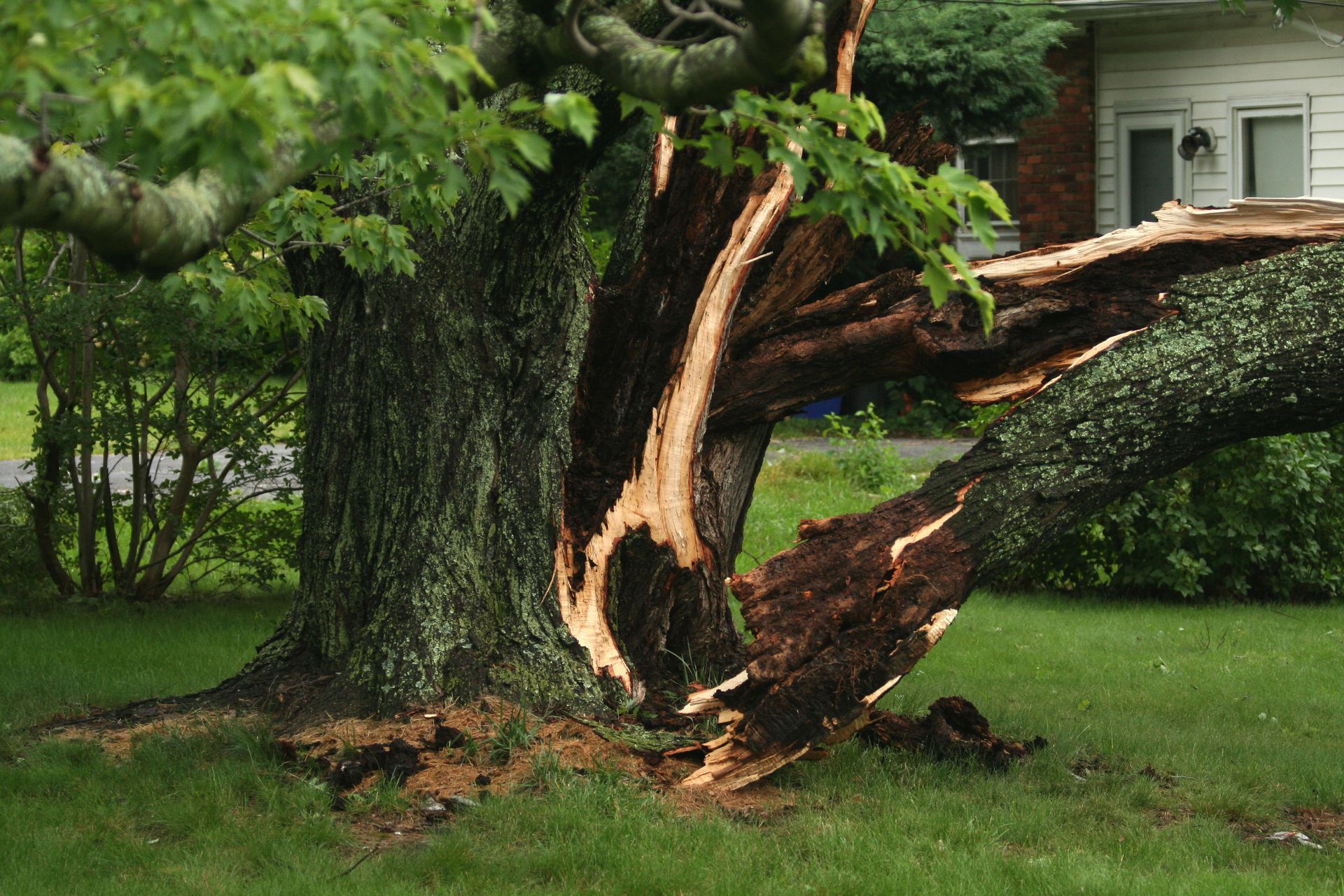
Overgrown or weakened branches present significant risks to homes, vehicles, fences, and other structures. As trees mature, their limbs become heavier, increasing the possibility of breakage during strong winds or severe weather. Branches affected by decay, disease, or structural defects may fall unexpectedly, even when weather conditions appear relatively calm.
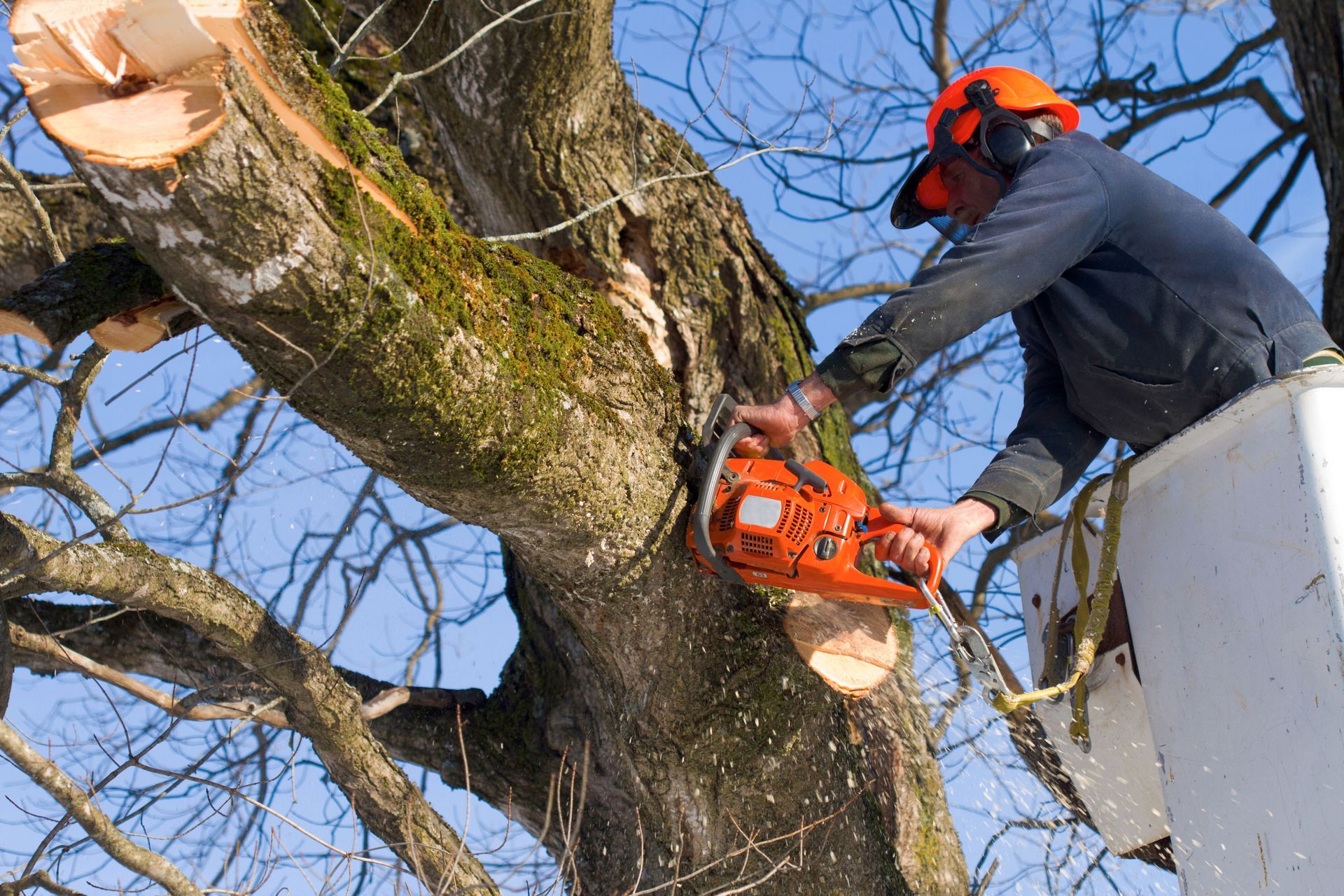
Regular trimming helps eliminate compromised limbs before they cause damage. Professional arborists evaluate branch attachments, structural weaknesses, and weight distribution to determine which areas require attention. Removing problematic growth can reduce unnecessary stress on the tree while protecting surrounding property.
The size of a tree also influences the potential consequences of falling branches. For example, according to Lawn Love, trees measuring under 30 feet typically fall into the small-tree category, whereas those reaching 60 feet or more are considered tall. Larger trees may require additional attention because falling limbs can affect a wider area and potentially cause more extensive damage.
Preventing Interference With Power Lines and Utilities
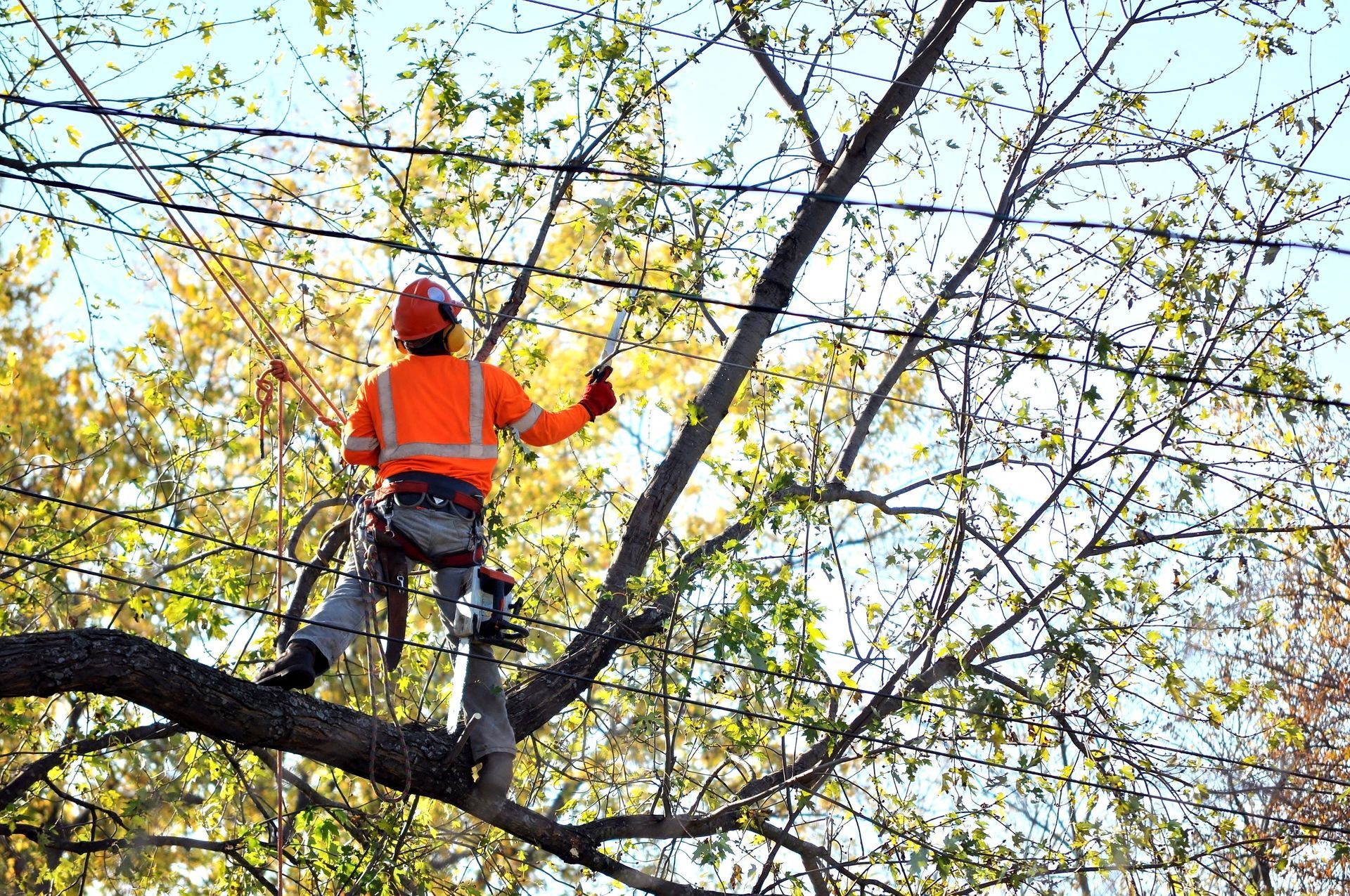
Branches growing near electrical lines create serious safety concerns for property owners and surrounding neighborhoods. When tree limbs contact energized equipment, they may contribute to electrical outages, equipment damage, or dangerous conditions. Wind and storms can increase these risks by pushing branches into nearby utility infrastructure.
A professional tree trimming service can help property owners recognize vegetation-related hazards and determine when specialized utility clearance work is necessary. Trees growing near electrical infrastructure require careful evaluation because improper cutting can create additional dangers. Work involving energized lines should be handled by qualified utility personnel or appropriately trained line-clearance professionals.
Underground utilities and nearby service connections may also influence tree maintenance decisions. Although trimming primarily addresses aboveground growth, understanding the surrounding infrastructure helps professionals evaluate the overall maintenance environment. Coordinating vegetation management with utility providers can reduce unnecessary disruptions while supporting safer property conditions.
Preventing Structural Weakness and Unbalanced Growth
Trees naturally develop branching patterns that respond to sunlight, available space, and environmental conditions. However, competing leaders, poorly attached limbs, and uneven canopy development can create structural vulnerabilities. These weaknesses may become more pronounced as branches grow heavier and the tree experiences seasonal weather changes.
Professional pruning can improve branch distribution and reduce excessive weight in vulnerable areas. A knowledgeable tree trimming service evaluates the tree’s natural growth characteristics before recommending selective removal. The objective is to encourage a balanced structure without unnecessarily removing healthy foliage or compromising the tree’s long-term development.
Structural maintenance is particularly valuable for trees growing close to buildings, driveways, and frequently used outdoor areas. Early attention to problematic branching can sometimes prevent more extensive corrective work later. However, trimming cannot eliminate every structural defect, making professional assessment important when significant weaknesses are present.
Preventing the Spread of Tree Diseases
Diseases can affect tree health long before visible deterioration becomes widespread. Fungal infections, bacterial problems, and other pathogens may enter through damaged tissues or develop in vulnerable branches. Discolored foliage, unusual growth patterns, dead limbs, and visible decay can indicate conditions requiring closer examination.
Selective pruning may help manage certain diseases by removing affected branches when appropriate. A professional tree trimming service can assess visible symptoms and recommend maintenance practices suited to the tree species and suspected condition. Proper sanitation and careful cutting techniques are important because some pathogens can spread through contaminated equipment or exposed tissues.
Not every tree disease can be controlled through trimming alone. Certain conditions require additional diagnostic evaluation, specialized treatment, or broader landscape management. Recognizing these limitations helps property owners avoid unnecessary pruning while supporting more effective long-term tree care.
Preventing Pest Infestations and Hidden Decay
Trees experiencing stress or deterioration may become more vulnerable to insects and other organisms. Certain wood-boring insects target weakened trees, while other pests feed on foliage, bark, or developing shoots. Infestations can contribute to declining health, particularly when combined with environmental stress or existing structural problems.
Dead branches and damaged tissues can sometimes provide favorable conditions for pests. During an inspection, a professional tree trimming service may identify suspicious holes, unusual sawdust-like material, or other signs of insect activity. Removing affected growth may be appropriate in certain situations, although successful pest management depends on identifying the specific organism involved.
Hidden decay presents another concern because internal deterioration is not always obvious from the outside. A branch may retain normal-looking bark while experiencing significant structural weakness beneath the surface. Professional evaluation helps distinguish ordinary aging characteristics from conditions that could compromise tree stability or require further investigation.
Preventing Roof Damage and Moisture Problems
Branches extending over rooftops can create maintenance challenges that are easy to overlook. During windy conditions, limbs may scrape against shingles, gutters, or exterior surfaces. Repeated contact can contribute to material wear, while falling twigs and leaves may accumulate in drainage systems.
Excessive debris in gutters can interfere with proper rainwater movement. When drainage becomes restricted, water may overflow near roof edges, siding, or foundations. Although trimming does not replace routine gutter maintenance, reducing problematic overhanging growth can help limit the amount of debris reaching vulnerable areas.
A professional tree trimming service can evaluate branches growing too close to structures and recommend appropriate clearance. Careful pruning preserves useful shade while reducing direct contact with roofing materials. Maintaining reasonable separation between trees and buildings also makes it easier to inspect exterior surfaces and identify developing maintenance concerns.
Preventing Poor Airflow and Excessive Canopy Density
Dense tree canopies can create environmental conditions that affect both tree health and surrounding landscaping. When branches become excessively crowded, sunlight penetration and air movement may decrease. Limited airflow can contribute to prolonged moisture retention on foliage, potentially creating favorable conditions for certain fungal diseases.
Selective canopy management can improve light distribution and reduce unnecessary branch congestion. A professional tree trimming service considers species-specific growth habits and overall tree health when evaluating canopy density. Excessive thinning, however, can weaken trees, encourage undesirable regrowth, and expose previously shaded branches to environmental stress.
Improved canopy structure may also benefit nearby lawns, shrubs, and ornamental plants. Vegetation growing beneath mature trees often competes for sunlight, moisture, and available space. Thoughtful pruning can sometimes improve growing conditions without sacrificing the shade, visual appeal, and environmental benefits that established trees provide.
Maintaining Safer and Healthier Trees Through Professional Care
Proper tree maintenance involves more than improving appearance. It helps address potential hazards associated with falling branches, utility interference, structural weaknesses, disease, pests, roof damage, and excessive canopy growth. Identifying these concerns early can support safer outdoor environments and reduce the likelihood of avoidable property damage.
A dependable tree trimming service provides assessments based on tree condition, surrounding structures, and long-term maintenance needs. Because every tree responds differently to pruning, professional recommendations should account for species, maturity, seasonal conditions, and existing health concerns. Consistent attention helps preserve valuable landscape features while managing risks that might otherwise remain unnoticed.
At Certified Tree Care, we understand the importance of maintaining trees that contribute to both property safety and landscape appeal. Our team can help you address overgrown branches and tree maintenance concerns through professional care tailored to your property’s needs.
Contact us to learn more about our tree trimming service and discuss how we can help maintain your trees. We look forward to helping you protect your property while preserving the beauty and health of your landscape.