July 29, 2026
Global climate shifts cause severe weather events to escalate across various regions. Homeowners frequently overlook the structural integrity of landscapes until a major storm introduces severe risks to property and safety. Taking preventative measures through professional tree services remains a critical component of responsible property ownership. Proactive care shields residential structures from sudden impacts and reinforces the health of the surrounding environment.
Identify Structural Weaknesses in Trees
During intense storms, trees can quickly transform into dangerous hazards if they suffer from underlying structural compromises. Severe winds easily exploit defects like poor branch attachments, trunk decay, and constrained root systems, leading to catastrophic failures. Homeowners who recognize these weaknesses can better anticipate which elements require immediate attention before a major storm arrives, serving as an essential defensive measure.
The internal stability of a canopy often degrades silently due to deep heartwood decay or unbalanced growth patterns. Addressing these hidden hazards requires specialized evaluations to determine which limbs present the highest likelihood of snapping under pressure. Specialized tree services help identify trees that lean excessively or exhibit hollow trunks, ensuring proper intervention before high winds arrive and reducing unexpected failures.
Certain species possess structural qualities that make them inherently susceptible to severe weather conditions. For example, trees with brittle wood or shallow root networks frequently succumb to strong gusts far quicker than flexible species. This knowledge allows property owners to manage landscapes strategically by replacing hazardous options with sturdier alternatives, ensuring the canopy remains resilient against seasonal storms.
Evaluate Environmental Threats to Health
Local environmental conditions exert a profound influence on how well a tree resists the physical stress of intense weather. Depleted soil quality, nutrient deficiencies, and restricted root zones all contribute heavily to weakening the physical anchor of a plant. Trees growing in urban landscapes face extra stressors such as soil compaction and pollution, which steadily erode their natural defenses against storms.
Trees experiencing prolonged environmental stress show a marked inability to cope with sudden atmospheric shifts and high winds. Extended drought periods leave branches brittle and dry, making them highly susceptible to snapping during windstorms. Conversely, excessive water accumulation can trigger root rot, which destabilizes the underground foundation supporting the entire trunk and ruins structural stability throughout the seasons.
Shifting weather patterns require a deeper understanding of how changing environments impact native and introduced species. Canopies accustomed to specific moisture levels often struggle when local patterns shift, creating new points of vulnerability across properties. Applying mulch and managing nutrients can buffer plants against these external stressors effectively, enhancing the natural defenses of a landscape against severe weather.
Recognize Visible Signs of Instability
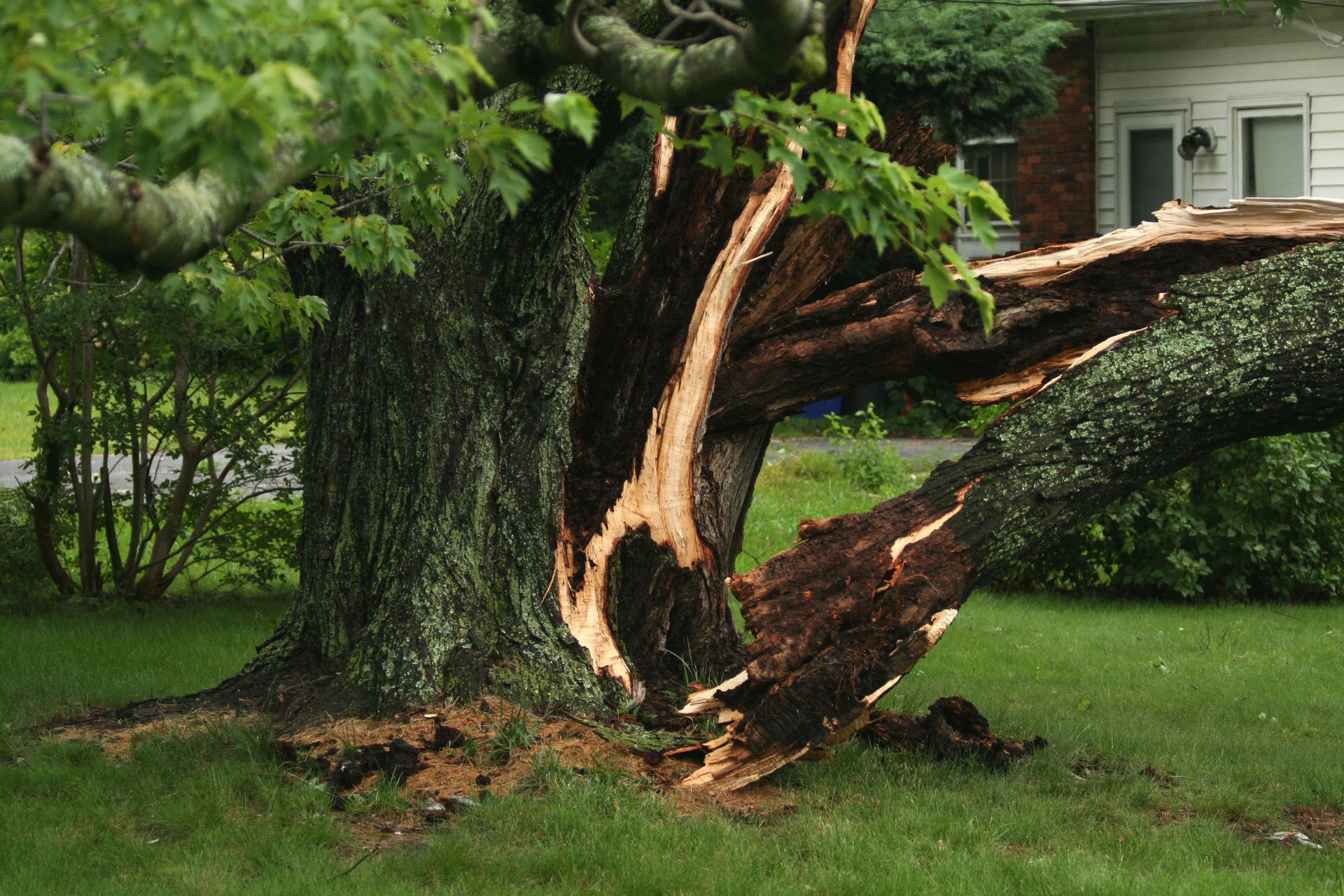
Spotting the early indicators of structural insecurity allows property owners to resolve hazards before weather conditions deteriorate. Trees showing unusual bark shedding, premature leaf loss, or irregular growth patterns often signal deep systemic distress. Large fissures developing along the main trunk or major limbs indicate immediate structural instability that requires urgent attention, enabling timely interventions to reduce storm damage.
Fungal growth appearing near the base of a trunk serves as a major warning sign of internal rot and root degradation. Canopies hosting these organisms often suffer from hidden decay that compromises stability without displaying obvious outward symptoms. Relying on professional tree services ensures these subtle indicators are correctly diagnosed and managed before the arrival of destructive winds.
Thinning canopies and widespread leaf discoloration also point toward underlying health complications that diminish physical stamina. Weakened plants lack the flexibility and strength required to endure the intense physical demands of heavy downpours and gales. Consulting with qualified experts helps determine the source of these symptoms, playing an indispensable role in protecting human life and surrounding structures.
Utilize Professional Pruning for Safety
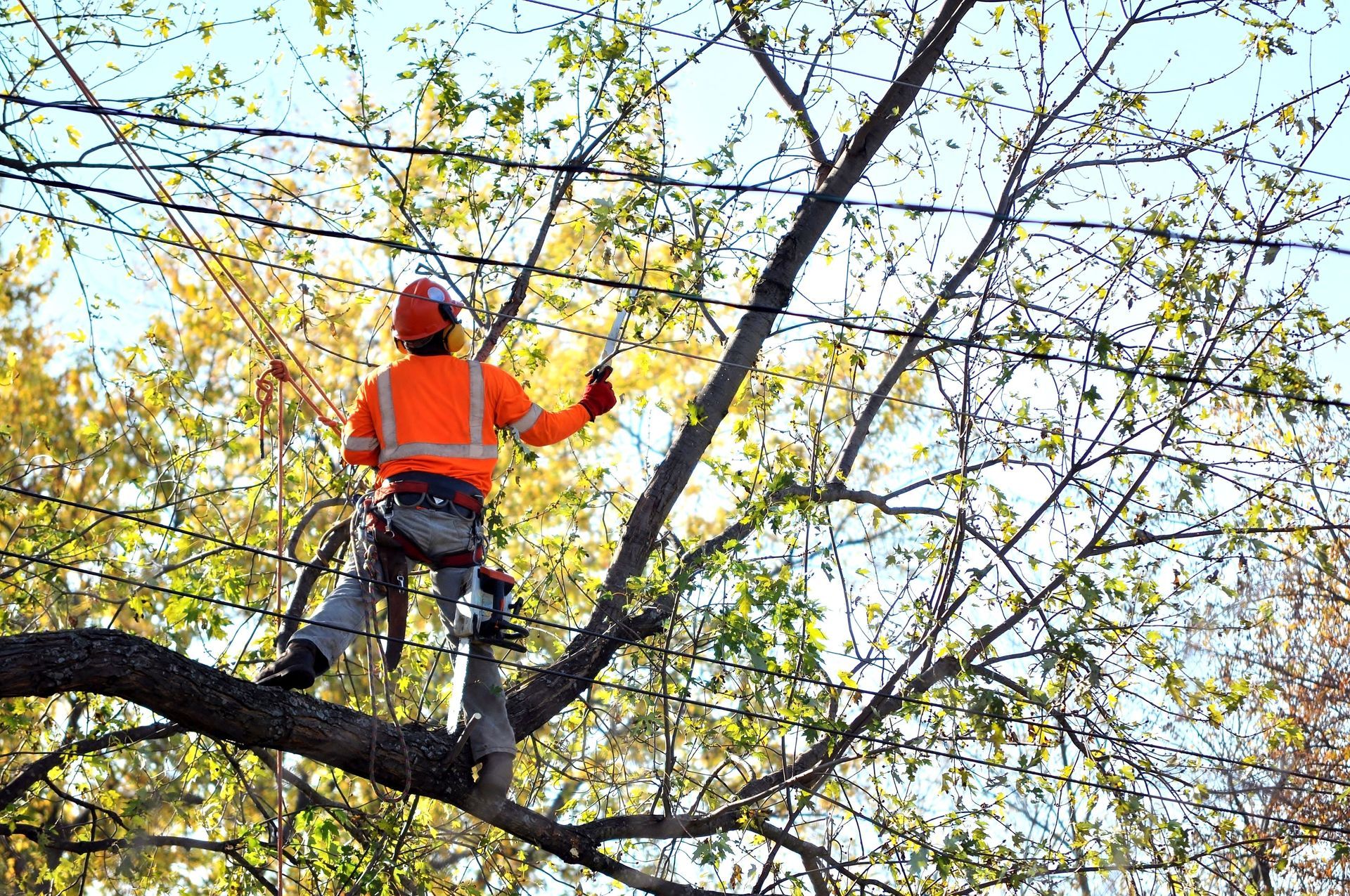
Strategic pruning and trimming represent core practices used to optimize canopy health and minimize structural risks. These methods focus on removing dead, diseased, or overcrowded branches to improve the aerodynamic profile of the plant. Proper pruning reduces the wind resistance of a canopy, allowing strong gusts to pass through safely instead of tearing limbs apart and protecting properties.
Executing correct pruning techniques requires an intimate understanding of individual species and their unique growth trajectories. Industry specialists utilize exact methods like crown thinning, crown raising, and reduction cuts to achieve optimal safety results. Thinning opens up the interior canopy to enhance airflow, while raising clears lower branches away from roofs and power lines, preventing critical splits.
Regular trimming on smaller vegetation helps control growth patterns while preserving overall plant vitality and structure. Correct execution prevents the spread of infectious plant diseases while maximizing light penetration and air movement through the foliage. Utilizing professional tree services ensures that every cut enhances the long-term safety and beauty of the landscape while preparing for severe weather.
Implement Advanced Solutions for Hazards
Cabling and bracing represent highly effective, sophisticated methods designed to reinforce trees that possess structural compromises. These systems utilize high-strength flexible cables and steel rods to limit excessive branch movement during intense windstorms. Supplying this mechanical assistance redistributes physical stress across stronger parts of the trunk, preventing splits and preserving valuable historic or ornamental canopies without jeopardizing safety.
Advanced support systems are engineered to accommodate natural growth while offering critical stabilization during extreme weather events. The installation process preserves the health of the wood while ensuring the canopy can sway naturally to dissipate wind energy. This balanced distribution of force minimizes sudden limb failures, and employing dedicated tree services for installation guarantees compliance with modern safety standards.
When a tree suffers from incurable disease or severe structural failure, complete removal becomes the only safe alternative. Emergency removal services provide crucial assistance by eliminating immediate hazards that threaten residential areas or public infrastructure. Weakened trunks or storm-damaged structures require swift extraction to prevent injuries, eliminating dangerous variables before incoming storms can exploit them.
Protect Local Assets in Storms
Analyzing the spatial relationship between large canopies and residential structures is an essential step in preventing property damage. Trees situated too close to homes or overhead utility lines represent significant hazards during intense storm systems. Professionals evaluate these spatial dynamics to determine whether trimming or total removal provides the best protection, shielding roofs and windows from violent storm impacts.
The proximity of heavy vegetation also requires careful monitoring of underground root systems and their impact on structural foundations. Expanding roots can infiltrate drainage pipes, displace retaining walls, and crack concrete foundations over extended periods. According to Climate Central, major storms and severe weather trigger 58% of all grid disruptions tied to weather events, whereas winter systems are responsible for 23% and hurricanes or tropical cyclones generate 14%. Managing nearby branches and roots helps prevent these widespread utility disruptions and structural failures.
Proactive tree services help homeowners position new plantings strategically to maximize energy efficiency while minimizing long-term hazards. Maintaining appropriate clearance zones ensures that mature canopies provide shade without posing an immediate threat during windstorms. Proper landscaping choices also help manage stormwater runoff, reducing soil erosion around building foundations, safeguarding investments, and preserving long-term peace of mind.
Maintaining a secure landscape requires continuous oversight, strategic planning, and a commitment to preventative care. Neglecting the structural needs of canopies increases the vulnerability of residential neighborhoods to the destructive forces of seasonal storms. Investing in
tree services remains the most effective method for securing your property against unpredictable weather patterns. Let us help you protect your home and preserve your beautiful landscape by contacting us today at Certified Tree Care.